


Built for performance—best kept that way with a quick seasonal check
Ewing cone tapered aluminum flagpoles are designed for strength, durability, and a clean professional look. With options for both external rope halyards and internal cable systems, they offer flexibility for a wide range of installations.
While aluminum poles themselves are highly resistant to corrosion, the working components—especially moving metal parts, halyard systems, and base components—benefit from regular inspection. Spring is the perfect time to give everything a quick check and ensure your flagpole is ready for the season ahead.
Why Maintenance Matters
These flagpoles are built to last, but like any mechanical system exposed to wind and weather, parts can wear over time:
- Rope halyards can dry out and fray
- Internal cables can wear, fray and break
- Moving metal components can wear at connection points
- Pulleys can become worn or seize
- Older shoe bases can crack or wear, especially in areas exposed to road salt
Catching these issues early helps prevent unexpected failures and keeps your flag flying smoothly.
Key Components to Inspect

1. External Halyard (Rope Systems)
For poles with external rope halyards.
What to look for:
- Fraying, thinning, or UV damage
- Stiffness or brittleness
- Excessive wear at contact points (pulley, cleat, snaps)
Tip: If the rope feels dry or worn, replace it before it fails—this is one of the most common maintenance items.
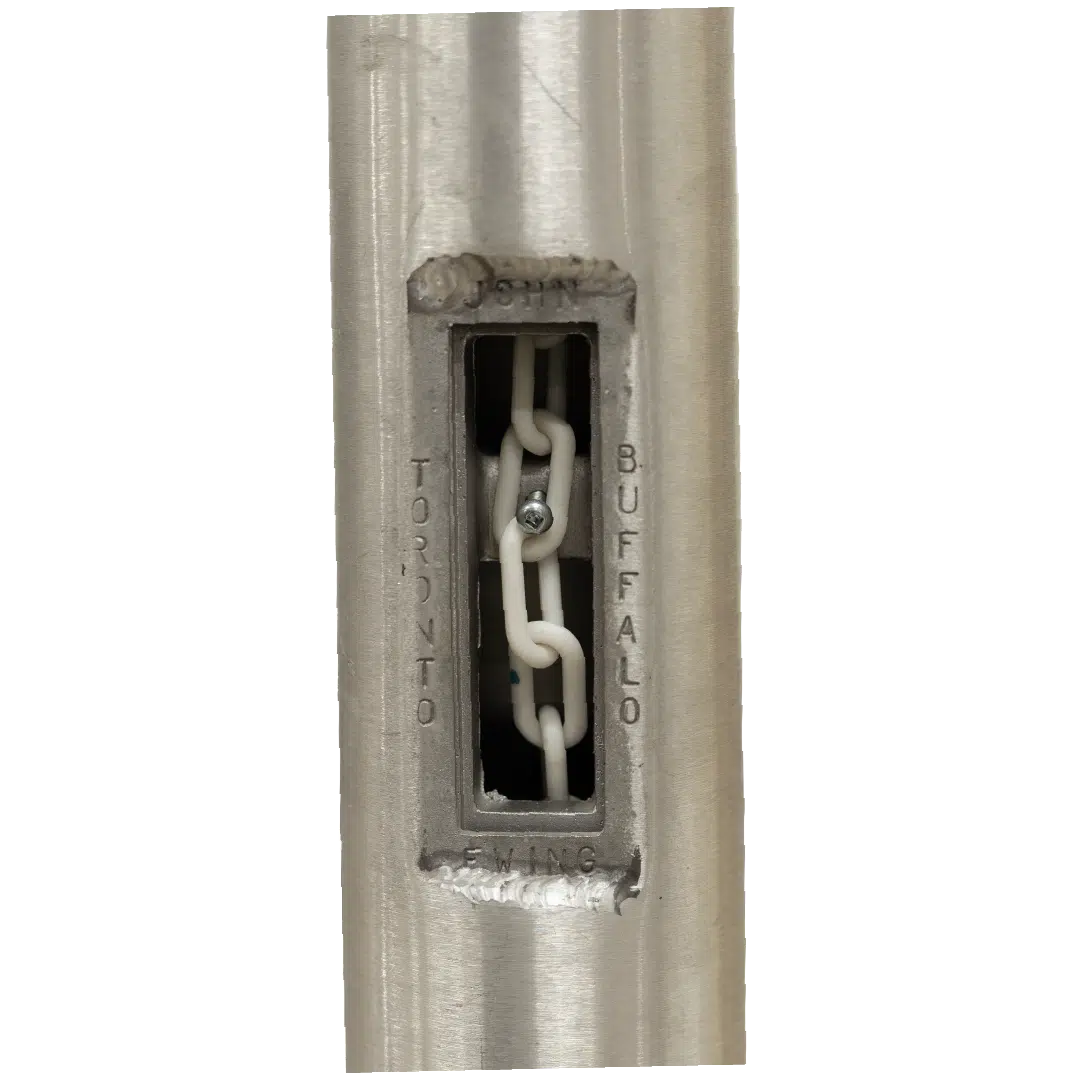
2. Internal Halyard (Cable Systems)
Internal systems typically use stainless steel cable, often paired with a chain section or a winch mechanism.
What to look for:
- Frayed or broken strands in the cable
- Kinks or deformation
- Wear at connection points (chain-to-cable, cable-to-weight, etc.)
- Smooth operation of winch systems (if equipped)
Cable wear can be subtle at first, but it’s important to address early before failure occurs.
Important Usage Note:
If the flag is not raised fully to the top and kept snug, it can create unnecessary movement and slack in the system. This accelerates wear on the cable and the top pulley housing, and can lead to premature (and often costly) repairs.

3. Pulleys & Truck Assembly (Top of Pole)
Whether internal or external, the top assembly plays a critical role.
What to look for:
- Pulleys that don’t spin freely
- Grinding, squeaking, or sticking
- Wear at attachment points
Worn or jammed pulleys can accelerate wear on both rope and cable systems.
Tip: Consistently running the flag all the way to the top helps reduce stress on the pulley and extends its lifespan.
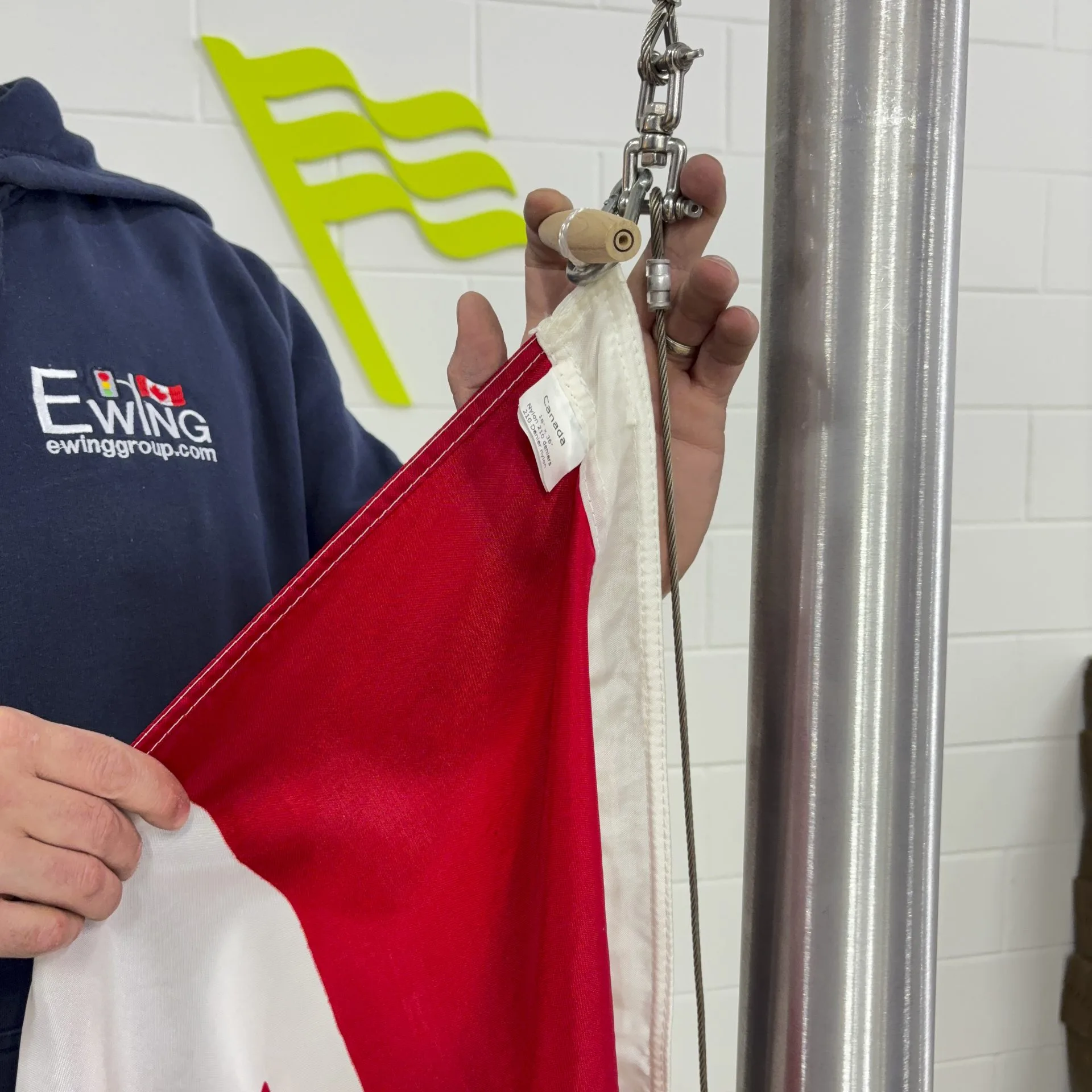
4. Metal Components & Connections
Ewing poles use durable metal fittings, including tops, base covers, and flag attachments.
What to look for:
- Wear at moving contact points
- Sharp edges developing from metal-on-metal friction
- Loose or shifting components
- Corrosion on steel parts, especially in exposed environments
Over time, repeated movement can cause metal components to wear through if not addressed.
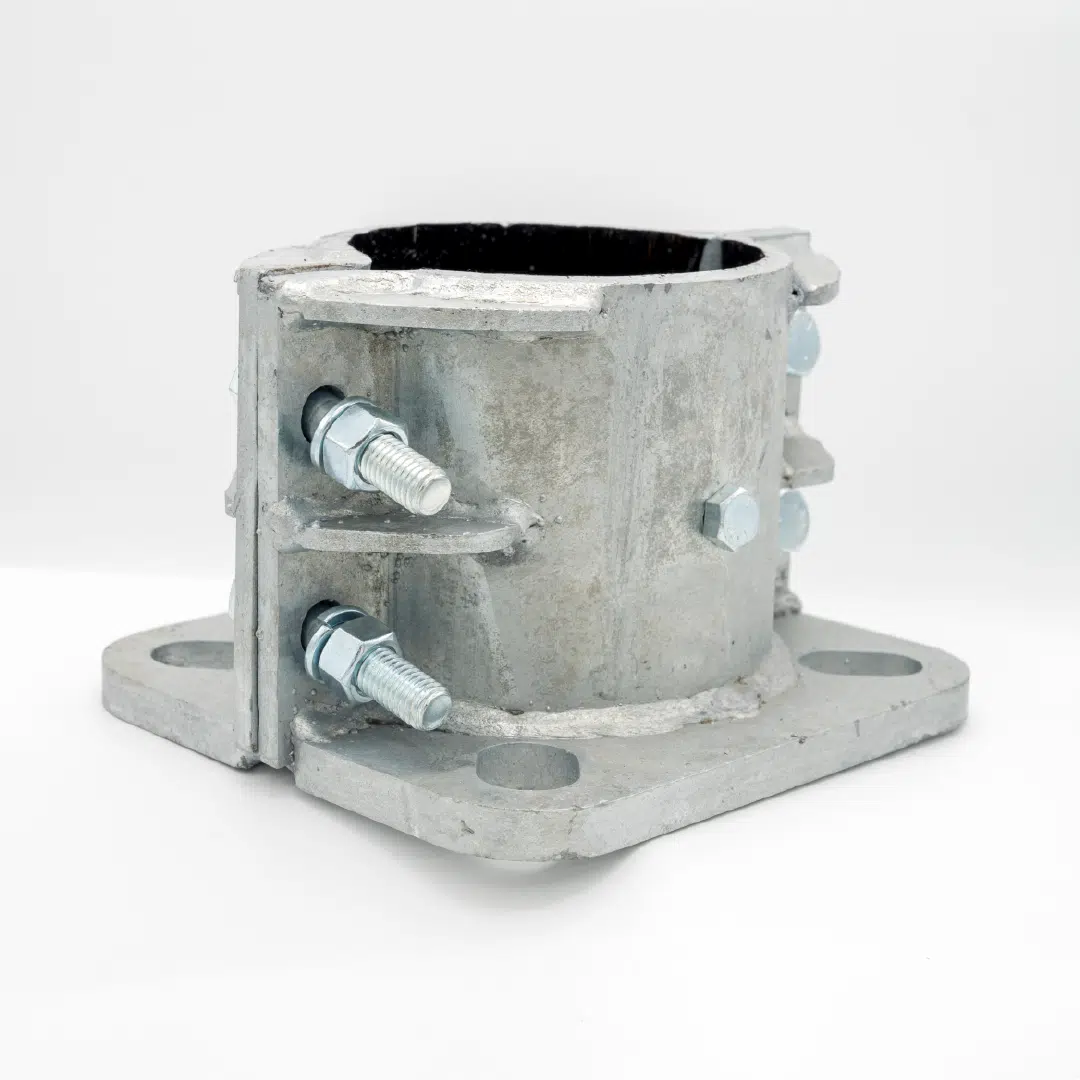
5. Shoe Base & Base Cover
Many Ewing cone tapered aluminum flagpoles use a shoe base covered by a decorative base cover. This area deserves special attention, especially on older flagpoles.
What to look for:
- Cracks in the shoe base
- Excessive wear or thinning
- Corrosion or salt damage around the base
- Movement, leaning, or looseness at the base
Flagpoles located near roadways, parking lots, sidewalks, or other areas where road salt is used during winter months are especially vulnerable to base wear.
Important: Lift up the base cover and inspect the shoe base thoroughly. A cracked or badly worn shoe base should be replaced promptly, as it can pose a critical risk of the pole falling over in the wind.

6. Flag Snaps (Steel or Brass)
Metal snaps are durable but still subject to wear.
What to look for:
- Excessive wear or thinning
- Sharp edges that could damage the flag
- Reduced spring tension or poor closure
Replacing worn snaps helps protect your flag and maintain safe operation.
Simple Spring Maintenance Checklist
- Replace worn or brittle external halyard rope
- Inspect internal cables for fraying or damage
- Ensure flag is always raised fully and secured snug at the top
- Check pulleys for smooth operation and replace if worn
- Inspect all moving metal connections for wear
- Lift the base cover and inspect the shoe base for cracks, wear, or salt damage
- Replace damaged shoe bases immediately
- Tighten and secure any loose hardware
- Replace worn flag snaps
- Install a new flag if the current one is faded or damaged
Keep It Running Smoothly—and Safely
Ewing cone tapered aluminum flagpoles are built for long-term performance—but like any high-quality system, a little preventative maintenance goes a long way.
A quick inspection each spring helps ensure everything is working safely, smoothly, and reliably. Most issues are easy to address when caught early, but base damage—and improper flag positioning—should always be taken seriously.
If you notice a cracked or worn shoe base, frayed cable, damaged halyard, worn pulley, or any other concerning component, we’re here to help with replacement parts and service.
Enjoy the season and keep it flying proud.